Managing an estate home in Oldsmar can feel like three jobs at once. You are balancing family needs, legal steps, and a property that still needs care. With a clear plan, you can protect the estate, reduce stress, and bring the home to market with confidence. This guide walks you through what to do first, how to prep efficiently, and who to call so you can move from overwhelmed to organized. Let’s dive in.
Start with authority and timing
Before spending money or signing contracts, confirm you have the legal right to sell.
Confirm probate path and your authority
- If you are the personal representative or court-appointed executor, speak with a Florida probate attorney about the correct path. Florida offers a simplified process called summary administration in certain cases, including when the estate’s value meets the statutory limit or when the decedent has been deceased more than two years. Review the statutory framework for summary administration and discuss it with counsel for your situation using the state resource on summary administration of estates.
- When you need forms, filing details or certified documents, the Pinellas County Probate Division is your local point of reference for Oldsmar. Use the county clerk’s probate page to understand filing steps and how to obtain orders or letters that a title company will request.
Helpful links:
- Learn the basics of summary administration in Florida law: Florida Statutes, section 735.201
- Pinellas County Probate Division resources: Probate records and information
Align price and timing with the market
Oldsmar sits within the Pinellas County and greater Tampa–St. Petersburg market. County-level reports offer current data on median prices, inventory, and days on market. Your agent can help interpret what the numbers mean for pricing and prep. For context, review the Pinellas single-family monthly detail report to see how the county is trending and then calibrate your plan.
- County context: Pinellas County single-family monthly report
Make the home safe and ready in week one
Your first week is about stabilizing the property and gathering what you will need for title and closing.
Immediate triage checklist: days 0–7
- Secure the home. Rekey or change locks. Confirm alarms are active and pets are safely placed.
- Gather key documents. Locate the deed, mortgage statements, homeowner’s insurance, recent tax bill, appliance manuals, gate codes, and keys. Keep certified copies of the death certificate and will as your attorney directs.
- Order a focused pre-listing inspection. Ask the inspector to target safety and market-blocking items like roof leaks, active water intrusion, major electrical hazards, HVAC operation, and sewer or septic status. Plan to disclose and prioritize any material issues.
Prioritize high-impact prep in weeks 1–3
Tackle low-cost actions that help photos pop and remove buyer objections.
Declutter, deep clean, and stage
- Remove personal photos, excess furniture, and odors. A full deep clean makes a big difference in how buyers feel during showings and in how your listing looks online.
- Staging, whether physical or virtual, often speeds up sales and can improve offers. Many agents report measurable benefits from staging. For background, see this overview of staging results from Florida Realtors.
Reference: Why staging helps homes sell faster
Boost curb appeal and fix easy wins
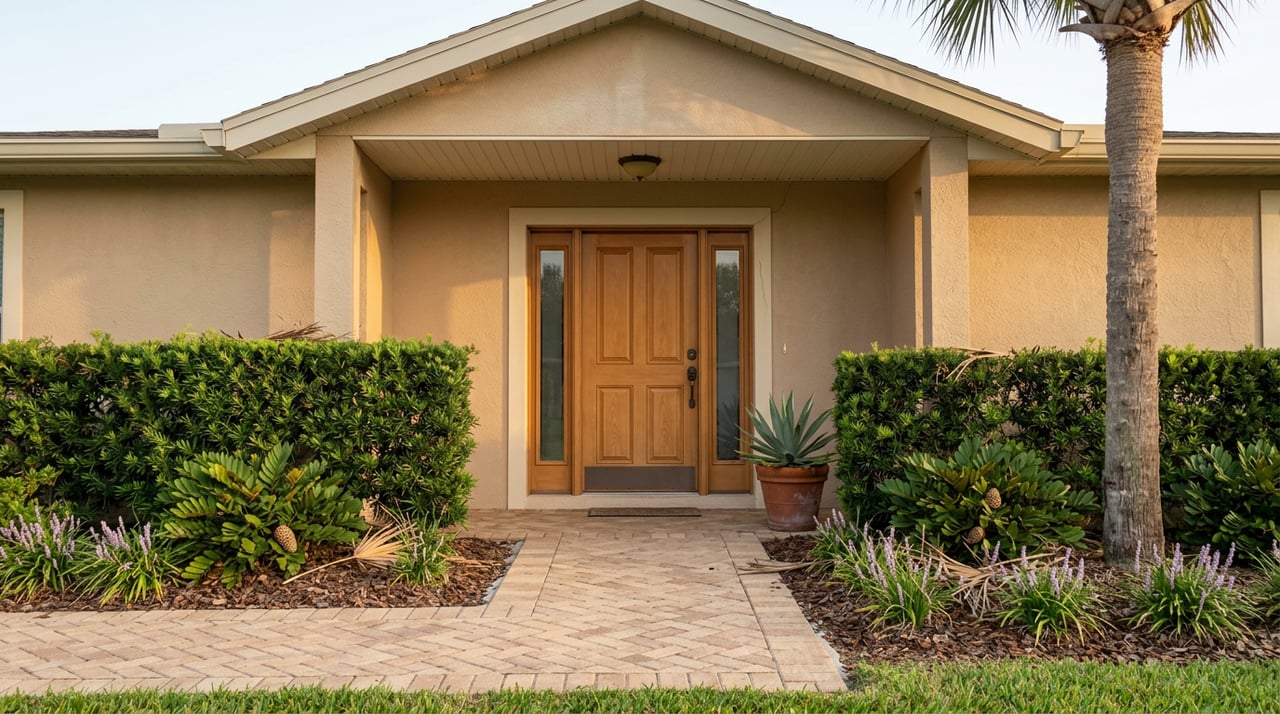
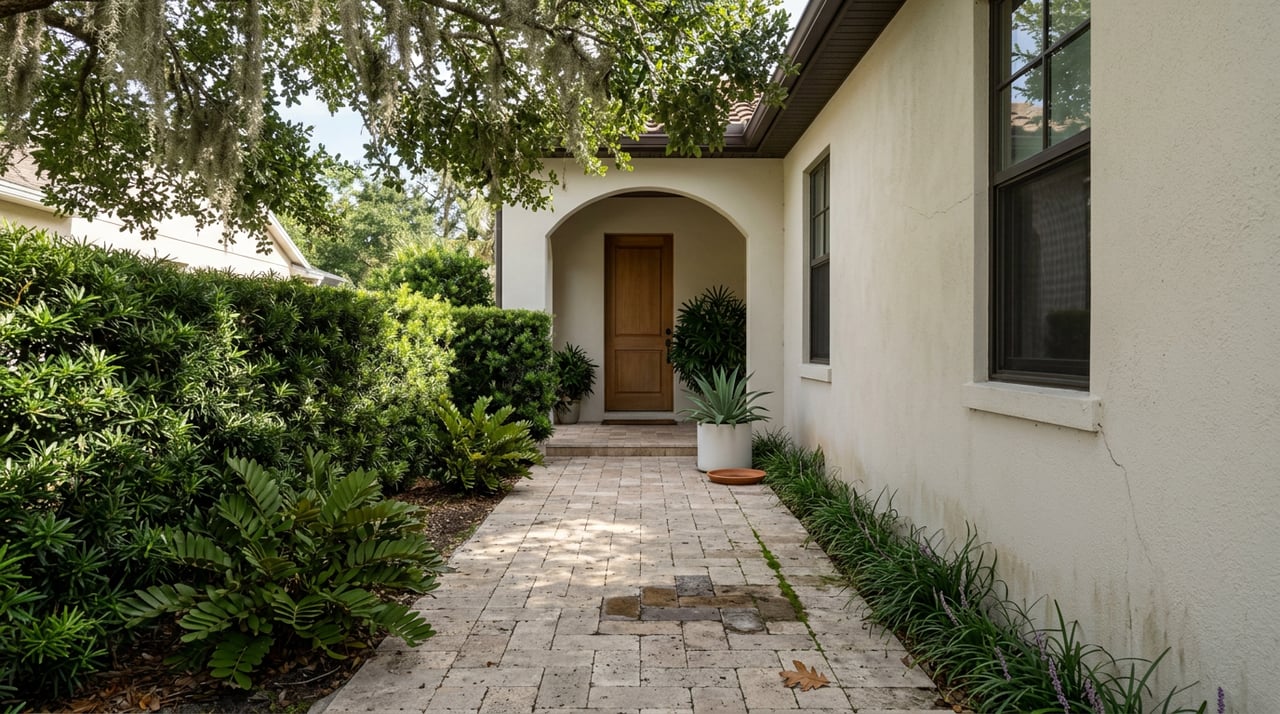
- Trim landscaping, edge beds, and pressure wash the driveway and walkways.
- Repaint the front door, replace broken exterior bulbs, and ensure all locks work.
- Inside, apply neutral paint where needed, refresh cabinet hardware and light fixtures, and make sure all windows and doors operate properly.
Decide: sell as-is or invest a bit
Not every estate should take on repairs. The right path balances your cash flow, timeline, and the home’s condition.
- Choose modest updates if small, visible fixes and staging will expand your buyer pool and support a better price.
- If the property needs costly structural work such as roof replacement, major HVAC, or widespread water damage and funds are tight, an as-is sale priced to match condition can be the faster route. Your agent can help compare net proceeds from repair-and-list vs. sell-as-is.
Plan for belongings and cleanouts
Sorting a lifetime of items is emotional and time consuming. A simple system and the right partners can help.
How to sort the household contents
- Work room by room with four zones: Keep, Sale, Donate, Dispose.
- Tackle garages, sheds, and attics early since they often hide hazards or value.
- For valuables like art, jewelry, or collectibles, consider a specialty appraisal before selling.
Estate sale, auction, or donation
- Interview multiple estate-sale or online auction firms that serve Pinellas and Tampa Bay. Ask about commission, marketing reach, insurance, handling of unsold items, and payout timelines. You can browse firms and recent sales in the region to compare options.
Explore providers: Estate sale companies in Tampa Bay
Oldsmar bulk pickup and disposal
- Oldsmar uses Coastal Waste & Recycling for residential service. The city outlines set-out times, accepted items, and yard or bulk limits. This is important when scheduling a post-sale cleanout or removing items that did not sell.
- Current guidance notes a 2 cubic yard limit per bulk pickup and lists exclusions. For construction debris or large volumes, plan a roll-off dumpster or a county drop-off.
Check details: City of Oldsmar Garbage and Recycling
Manage risk, insurance, and disclosures
Estate homes can sit vacant. Protect the property and minimize surprise costs.
Flood zones and insurance needs
- Many Oldsmar homes are near bays, lakes, or creeks. Confirm your FEMA flood zone using the county’s tools and check whether a lender would require flood insurance for a future buyer. An existing elevation certificate can help buyers and insurers assess risk and cost.
Look up flood status: Pinellas County flood maps and FEMA tools
Utilities and insurance while vacant
- Speak with the insurance carrier to confirm coverage while the home is unoccupied. Some policies require periodic checks or a vacancy endorsement.
- Keep utilities on and the HVAC running at a moderate setting. This helps prevent humidity damage and supports inspections and buyer showings.
Taxes, title, and closing prep
Address payoffs and paperwork early so closing is smooth.
Property taxes and payoff planning
- Review the current tax bill and note discount windows and delinquency timing using the county tax collector’s resources. If the estate must pay any unpaid taxes, budget for the payoff in the closing proceeds.
Plan ahead: Pinellas County Tax Collector
Title, liens, and homestead considerations
- Ask your attorney and title company to review whether the homestead exemption, any mortgages, or recorded liens require specific steps before closing. Confirm how the personal representative will sign closing documents and what certified records the title company needs.
Local process help: Pinellas County probate resources
Build your Oldsmar team and consider concierge help
The right team gets you to the finish line with less stress and fewer surprises.
Your core professional team
- Probate attorney to confirm authority and timelines.
- Listing agent with estate sale experience in Oldsmar and Pinellas County.
- Estate-sale or auction company for contents.
- Licensed contractors for repairs as needed, plus a home stager and professional photographer.
- Title company for payoffs and clearing, and a CPA for any basis or tax questions.
Pay-at-closing concierge options
Full-service, pay-at-closing listing programs can front or coordinate cleaning, staging, repairs, and move support so you do not pay upfront. If you consider any concierge or cost-fronting solution, protect the estate by asking:
- Which services are included, and who manages contractors?
- How is repayment handled at closing? Is there interest or a recorded lien?
- Are contractors licensed and insured in Florida? How are change orders approved?
- How will the title company treat the repayment on the settlement statement, and does your attorney approve the arrangement?
Always ask for terms in writing and review them with your attorney and title company before you sign.
Contractor and permit notes
- Use licensed contractors for work that requires a permit. Many Florida jurisdictions require a Notice of Commencement or similar filing for projects above certain thresholds, often around 2,500 dollars. Requirements vary, so verify with the City of Oldsmar Building Division or Pinellas County before work starts. For consumer tips on selecting a licensed contractor, review this Florida-focused guidance.
Consumer guidance: Choosing a contractor
Your quick 8-point checklist
- Confirm personal representative authority with your probate attorney.
- Gather deed, mortgage, insurance, tax bill, keys, codes, and certified records.
- Order a safety-focused pre-listing inspection.
- Decide sell as-is vs. invest in prep based on net proceeds and timing.
- Hire an estate-sale or auction partner and schedule post-sale removals.
- Secure contractor bids, confirm licenses and permits, and set a budget.
- Schedule cleaning, staging, and professional photography.
- Coordinate with the title company and tax collector on payoffs and closing.
A simple 30-day prep timeline
- Days 0–7: Secure the home, gather documents, order the inspection, begin a light clean.
- Weeks 1–2: Sort belongings, interview estate-sale vendors, collect repair bids, choose an as-is or invest plan.
- Weeks 2–4: Complete priority repairs, deep clean, and stage. Confirm permits if needed. Book photography and finalize pricing based on current market data.
- Week 4: List the property, launch marketing, host showings and an open house.
- Weeks 4–8: Negotiate inspections, repairs, or credits. Coordinate payoffs and close. Timelines vary if financing or additional probate steps are required.
Selling an estate home is never just a real estate transaction. With the right plan, you can honor the property, protect the estate, and move forward with clarity. If you want a single partner to coordinate preparation, staging, repairs, estate-sale support, and listing services, all payable at closing, connect with Conci, REALTORS® to get a plan tailored to your timeline.
FAQs
What documents do I need to sell an Oldsmar estate home?
- You typically need proof of authority to sell from the probate court, the deed, mortgage statements, homeowner’s insurance details, the latest tax bill, and certified copies of the death certificate as your attorney and title company request.
How does Florida’s summary administration work for estates under a threshold?
- Summary administration is a simplified probate path available in certain cases, including when statutory value limits are met or more than two years have passed since death; review Florida Statutes section 735.201 and confirm eligibility with your attorney.
Do I have to make repairs before selling an estate home?
- Not always; prioritize safety and loan-blocking items, consider low-cost updates that improve photos and showings, and compare net proceeds for invest-and-list vs. sell-as-is with your agent.
How do I handle estate contents and debris removal in Oldsmar?
- Use a four-zone sort, interview estate-sale or auction partners, and follow city rules for bulk pickup and exclusions using Oldsmar’s Garbage and Recycling guide; plan dumpsters or county drop-off for larger loads.
How do flood zones affect my Oldsmar home sale?
- Flood zone status can influence disclosures, insurance requirements, and buyer costs; confirm your property’s zone using Pinellas County’s flood map tools and share any elevation certificates with your agent and buyers.