Selling your Westchase home while you still live there can feel like trying to keep a hotel-ready space in the middle of real life. Between work, school schedules, pets, errands, and Florida weather, even one last-minute showing can throw off your day. The good news is that you do not need perfection to sell well. You need a smart system that keeps the right spaces ready, lowers stress, and helps buyers see the home clearly. Let’s dive in.
Why occupied selling feels different in Westchase
Westchase is a large, master-planned community with more than 3,500 homes, parks, trails, swim and tennis centers, a public golf club, and retail areas woven into daily life. In a neighborhood like this, buyers often notice not just the house itself, but also how well it feels cared for from the curb to the front door.
That matters because many sellers here are balancing full households and long-established routines. Census data for Westchase shows a mix of family households and older residents, with a median owner-occupied home value of $559,500 and a strong owner-occupied base. If you are selling while still living in the home, your challenge is usually not whether the home has value. It is how to present that value consistently while life keeps moving.
In the broader Tampa-St. Petersburg-Clearwater market, the May 2026 single-family median sale price was $438,900. That is one reason presentation, timing, and clean marketing still matter. Buyers have options, and the homes that feel organized and easy to picture tend to make a stronger impression.
What buyers notice first
You do not have to stage every room to the same level every day. Current staging data shows buyers respond most strongly when the home helps them picture their future there, and that starts with a few highly visible spaces.
According to the 2025 Profile of Home Staging, 83% of buyers’ agents said staging made it easier for buyers to visualize the property as a future home. The rooms staged most often were the living room, primary bedroom, dining room, and kitchen. For an occupied seller, that is helpful news because it gives you a clear order of operations.
Start here first:
- Entry path and front exterior
- Living room
- Kitchen
- Primary bedroom
- Main bathrooms
If those spaces feel calm, clean, and open, you are already doing the work buyers are most likely to notice. Kids’ bedrooms and guest rooms still matter, but they do not need the same daily attention as the spaces buyers tend to focus on first.
Focus on the reset, not perfection
Occupied selling works best when you stop thinking in terms of deep cleaning every day and start thinking in terms of a repeatable reset. NAR found that the most common staging-related recommendations were decluttering, entire-home cleaning, and curb appeal improvements. That tells you where your time pays off.
A reset should be fast enough to manage on a normal weekday. If it takes too long, it will not hold up once showings begin.
Your daily pre-showing reset
Build a short checklist you can repeat without much thought:
- Clear kitchen counters except for one or two simple items
- Wipe down sinks, faucets, and mirrors
- Make all beds, especially the primary bedroom
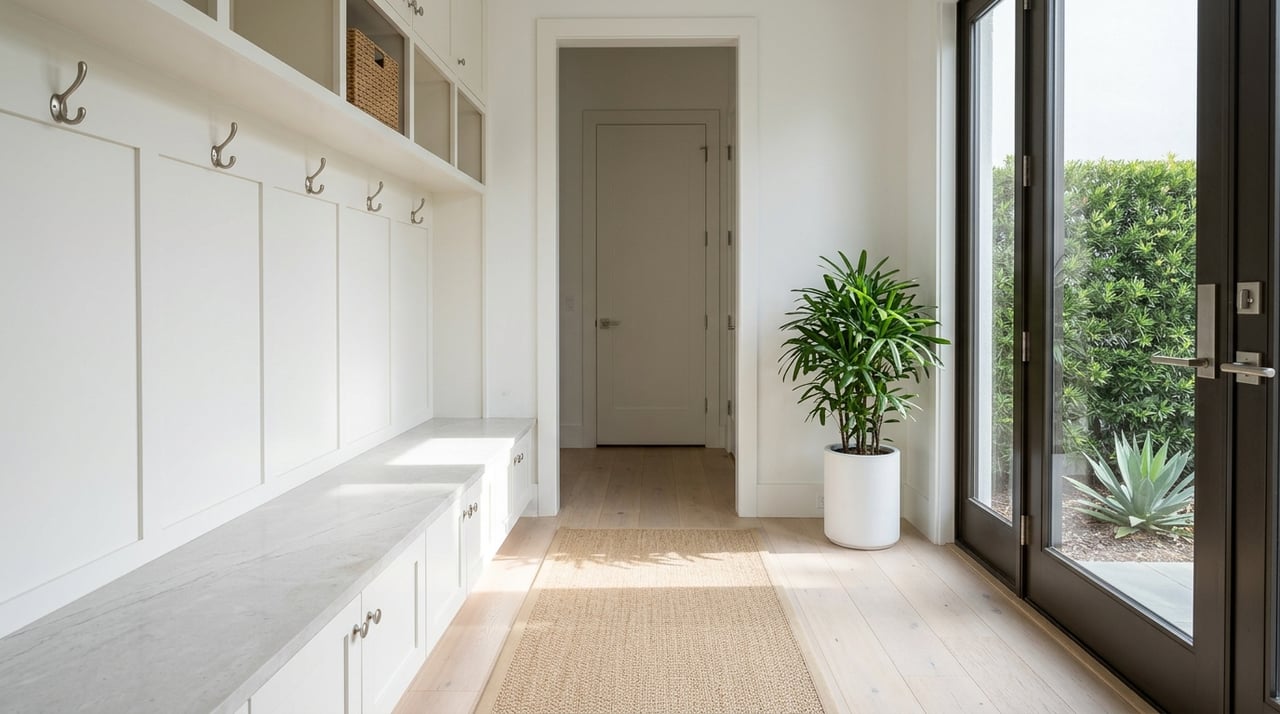
- Put away laundry, shoes, backpacks, and pet items
- Empty trash if needed
- Open blinds or curtains for natural light
- Do a quick floor sweep in main living areas
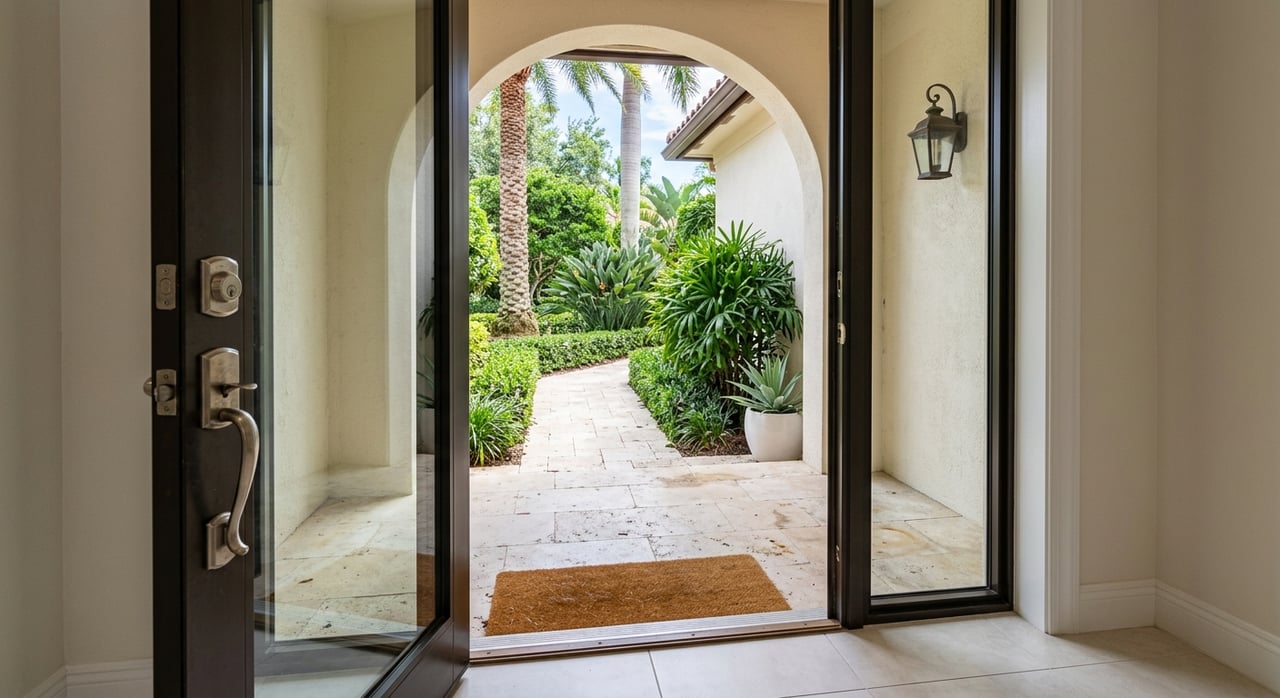
- Check the front porch, walkway, and entry mat
This kind of routine matters because listing photos are especially important to buyers, and the same visual standards usually carry into showings. If your home looks orderly in person and in photos, buyers can focus on layout and features instead of distractions.
Use storage as a stress reducer
If your home feels hard to keep ready, clutter is usually the reason. Temporary storage can make occupied selling much easier because it removes the extra volume that slows down every cleanup.
Think beyond holiday bins. The best storage candidates are often the things you use just enough to keep around, but not enough to leave visible every day.
Good items to move out temporarily
- Extra dining chairs
- Overflow toys and games
- Off-season clothing
- Paper files and mail piles
- Small furniture that tightens walkways
- Pet accessories not needed daily
- Duplicate kitchen tools and countertop appliances
- Decorative items that make surfaces look busy
The goal is not to erase your life. The goal is to create breathing room so your home feels easier to maintain and easier for buyers to walk through.
Plan your default exit routine
One of the hardest parts of selling while living in the home is not the cleaning. It is the interruption. A predictable exit routine can turn a stressful showing request into a manageable one.
This matters in Westchase, where many households are balancing work and school schedules, activities, and after-school programs. The Westchase Park & Recreation Center offers programming that reflects that active local rhythm, which is why a preplanned routine can help you stay flexible when showings come up.
Keep one plan, one bag, one place
Choose these before your home goes live:
- One place to go: a park, coffee stop, family member’s home, or another easy default destination
- One person to notify: a spouse, teen, caregiver, or helper who needs to know the showing plan
- One bag to grab: chargers, snacks, water, pet supplies, medications, and anything you do not want to search for on the way out
If you have children, it also helps to create a simple pickup routine for school papers, toys, and sports gear. If you have pets, plan where they will go during showings and keep leashes, carriers, and cleanup supplies in one spot.
NAR’s staging report specifically includes removing pets during showings among common seller improvements. That step can make the home feel cleaner, calmer, and easier for buyers to move through.
Manage Florida weather at the door
In Westchase, weather is part of your showing strategy. NOAA climate normals for Tampa International Airport show a mean July high of 91.0°F, with heavy summer rainfall and August precipitation above 9 inches. Atlantic hurricane season officially runs from June 1 through November 30.
For you, that means the front entry can become the first problem area fast. Wet shoes, umbrellas, paw prints, and indoor humidity can undo a reset in minutes if you are not ready for them.
Small weather-proofing steps that help
- Use sturdy entry mats inside and outside the front door
- Keep towels handy for quick floor and paw cleanup
- Store umbrellas and rain gear in one contained spot
- Limit extra shoes near the entry
- Stay ahead of musty smells with regular cleaning and airflow
- Do a quick patio and porch pickup after storms
These are small moves, but they help protect the clean, dry feeling buyers expect when they walk in.
Be thoughtful about curb appeal changes
Curb appeal is one of the most common recommendations sellers receive, and it matters in a deed-restricted community where exterior appearance plays a visible role in first impressions. But if you are thinking about making exterior changes while preparing to sell, pause before starting.
The Westchase Community Association Modifications Committee states that, in general, owners must submit a modification application and receive approval before making changes to an existing home or open space. That can affect plans for exterior paint, landscaping changes, and similar updates.
Smart curb appeal actions
Usually safe first steps include:
- Fresh mulch if permitted and consistent with existing landscaping
- Trimming overgrowth
- Pressure washing walkways or hard surfaces if appropriate
- Cleaning the front door and exterior lighting
- Replacing tired welcome mats or house numbers
If you are considering anything more visible, check requirements early so your listing timeline does not get delayed.
Get ahead of repairs and disclosures
Occupied selling is easier when there are fewer surprises once buyers start asking questions. In Florida, sellers and licensees need to deal with known issues promptly, especially if those issues materially affect value and are not readily observable.
That is why it helps to talk with your agent early about leaks, recurring maintenance concerns, old repairs, drainage issues, or anything else that may come up later. Waiting rarely makes these issues easier.
Florida also requires a flood disclosure for residential real property at or before contract execution. The law states that homeowners insurance does not cover flood damage, and it defines flooding broadly enough to include sustained standing water from rainfall. If your home has any flood-related history, insurance claims, or related documentation, keep those records organized from the start.
This is not about making your home seem problematic. It is about helping your sale move forward with fewer delays and more confidence.
A concierge approach can make this easier
If you are juggling work, family responsibilities, downsizing, relocation, or an estate timeline, occupied selling can feel like a second job. The most effective plan is usually not doing more yourself. It is creating a process and getting help where it counts.
That is where a concierge-minded listing strategy can make a real difference. Coordinating home prep, staging, repairs, deep cleaning, packing, moving logistics, and marketing under one process can reduce the friction that makes occupied selling so exhausting.
For many Westchase sellers, especially busy professionals, downsizers, and families managing a transition, the biggest win is not just a cleaner house. It is having a clear system for what happens before the listing, during showings, and all the way through closing.
Selling while you still live there is mainly a systems problem. Keep the most important rooms photo-ready, create a simple exit plan, use storage to reduce visual noise, stay ahead of weather messes, and deal with HOA or disclosure issues early. When those pieces are in place, the process feels far more manageable.
If you want a calmer, more coordinated plan for selling your Westchase home, Conci, REALTORS® can help you prepare, market, and manage the move with a concierge approach designed to reduce stress from start to finish.
FAQs
How do you sell a Westchase home while still living in it?
- Focus on a repeatable daily reset for the entry, living room, kitchen, primary bedroom, and bathrooms, then use a preplanned exit routine for showings.
Which rooms matter most when selling an occupied Westchase home?
- The rooms buyers tend to notice most are the living room, primary bedroom, dining room, and kitchen, so those spaces deserve the most attention.
Should you stage every room before listing a home in Westchase?
- No. A clean, decluttered, photo-ready presentation in the most visible spaces usually matters more than making every room feel fully staged.
What should Westchase sellers do with pets during showings?
- Plan ahead to remove pets during showings when possible, and keep leashes, carriers, and cleanup supplies ready in one easy-to-grab location.
What Westchase exterior updates may need approval before listing?
- Exterior changes such as paint or landscaping modifications may require prior approval from the Westchase Community Association, so check requirements before starting visible projects.
What Florida disclosure items should occupied sellers organize early?
- Keep records related to known repairs, leaks, maintenance issues, and any flood history or insurance claims organized so they are easier to address during the sale.